
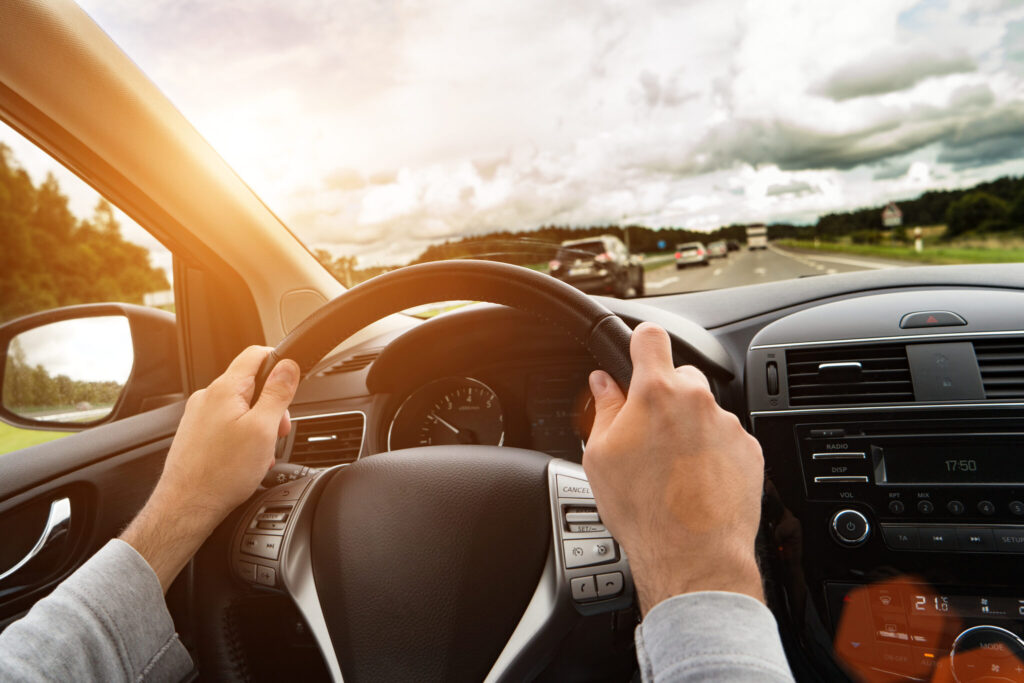
Driving Style: Avoid depreciation by using real-time data
At the heart of the leasing business model lies the resale value of the vehicles, which must be kept as high as possible at the end of the contract to ensure a comfortable profit margin. To this end, there are numerous tools available to predict the residual value after three, four, or five years, allowing the financial outcome of the deal to be anticipated even before the contract is signed. In contrast, the impact of the lessee’s driving style throughout the contract term on the vehicle’s overall condition—and thus on its residual value—should not be underestimated. Increasingly electrified and connected vehicles are more vulnerable and can be compromised by irresponsible driving. How can leasing companies ensure that their vehicles are used properly on the road throughout the entire lease term?
Real-time manufacturer data to support eco-friendly driving.
You don’t have to wait until the end of the contract and the return of the vehicle to take action: The real-time data transmitted from the vehicle to the manufacturer and made available to solution providers makes it possible to track and evaluate the driver’s behavior throughout the entire rental period.
This is where Echoes, a neutral, manufacturer-independent server, can provide a solution to the new needs of leasing companies in this area. By collecting vehicle technical data from all manufacturers, Echoes is able to gather and harmonize all this information to present it in a unified manner through its dedicated interfaces, Carlocate and Carfleet. This data also includes a wealth of information that can be used to assess driver behavior:
– First, the average fuel consumption in liters or kWh per 100 km, which Echoes can easily compare with other drivers who have the same profile and drive the same vehicle.
– Second, the vehicle’s exact location, which makes it possible to immediately detect when the vehicle is being used off-road.
– Third, monitoring the fuel tank or drive battery level, as well as the progress of charging and refueling, ensures that the driver follows proper refueling procedures.
In the near future, additional information transmitted by the vehicle in real time could contribute to even better monitoring. For example, the vehicle’s current speed could potentially be cross-referenced with its GPS location to ensure that speed limits are being observed. The intensity of acceleration and braking maneuvers can also be calculated to assess how smoothly the vehicle is being driven.
Aggressive driving style, lower resale value
So how can analyzing this data help preserve the residual value? Specifically, there are three major risks facing cars owned by reckless drivers:
- Aggressive driving causes premature wear and tear on the vehicle: sudden acceleration, braking, and excessive speeds can put undue strain on brake pads and rotors, shock absorbers, tires, drive shafts, and control arms. The French organization Bison Futé estimates that eco-friendly driving not only reduces the risk of accidents by an average of 10–15%, but also saves several thousand euros over the vehicle’s lifetime, even when considering only tire and brake wear. Likewise, it is not advisable to drive too often with a low fuel level, as the engine will otherwise draw in contaminants from the bottom of the tank, shortening the engine’s lifespan.
- Some drivers have no qualms about driving vehicles that are not designed for use on unpaved roads or trails. This can result in damage to the vehicle’s underbody, such as to the chassis side members, control arms, spare tire, engine housing, or exhaust system. This damage is all the more difficult for the lessor to manage because it may not be visible during a cursory inspection of the vehicle but manifests itself as a malfunction months after it occurs. This carries the risk of a legal dispute following the resale of the vehicle and the associated potential financial consequences for the operator.
- With electric vehicles, the issue of driving behavior is even more critical: A jerky and overly aggressive driving style not only leads to premature wear on the suspension and undercarriage components but also reduces battery lifespan and increases the risk that the battery will need to be replaced prematurely. Refusing to drive in an environmentally conscious manner also affects the number and frequency of charging sessions, leading to faster wear and tear on charging cables, plugs, and sockets, as well as on the onboard electronics, control systems, preconditioning, and temperature regulation of the batteries. Repairing these parts can cost several thousand euros, and, more importantly, their condition is difficult to assess through a visual inspection upon return. Inspecting them requires taking the vehicle off the road and engaging a qualified technician with the appropriate testing equipment.
Education over Repression
For leasing companies, however, one crucial question remains: How can they use this information without violating privacy rights and without giving customers the impression that their freedom to drive is being restricted?
– The first approach can take the form of educational initiatives: Drivers are provided with materials to raise awareness about eco-friendly driving—such as newsletters, SMS push notifications, or brochures—while also informing them about the benefits for their own operating costs.
– Second, signing a charter for eco-friendly driving could encourage customers to use their vehicles more responsibly, especially if such responsible use is rewarded with discounts on their contract or through other loyalty programs.
– As a last resort, monitoring of driver behavior may also take the form of penalties, ranging from fines to early termination of the contract, if the driving style jeopardizes the vehicle’s residual value.
In any case, using a neutral server such as Echoes makes it possible to monitor each driver’s behavior in real time, take corrective action when necessary, and track the effectiveness of those measures as they are implemented. This can have a potentially positive impact on the residual value of each vehicle.