

The vehicle is at the depot, but is it ready to go? With only 20% battery left, your first delivery is already in jeopardy.
Moving to an electric fleet is a major step forward for companies looking to cut their carbon footprint and stay ahead of environmental regulations. But this transition comes with a significant operational challenge: charging management. Without a clear, centralized view, vehicles can end up with too little battery, drivers get stressed by the uncertainty, and costs spike because of emergency charging at expensive public stations.
Why is it so complicated?
- Electric fleets require careful planning to avoid unplanned downtime.
- Drivers need to rely on vehicles that are ready to go, without manually checking the battery level.
- Charging costs can vary significantly depending on the time of day and location, which makes optimizing them essential.
Fortunately, there is a solution: a data-driven approach that turns charging management into a smooth, efficient, stress-free process. In this article, we walk you through the steps to master this challenge and make it a performance driver for your fleet.
Challenge #1: knowing each vehicle’s state of charge (SoC) in real time
Why is this so important?
Without the right tool, the only way to check a vehicle’s battery level is to ask the driver or go check it in person. That’s a tedious, time-consuming process — and, above all, unmanageable for a fleet of dozens or even hundreds of vehicles.
Picture a familiar scenario:
- A driver arrives in the morning and finds their vehicle wasn’t charged enough for the route.
- The fleet manager has to call each driver to find out their vehicle’s state of charge.
- Delays pile up, deliveries are at risk, and costs spike due to emergency charging.
The solution: a centralized dashboard
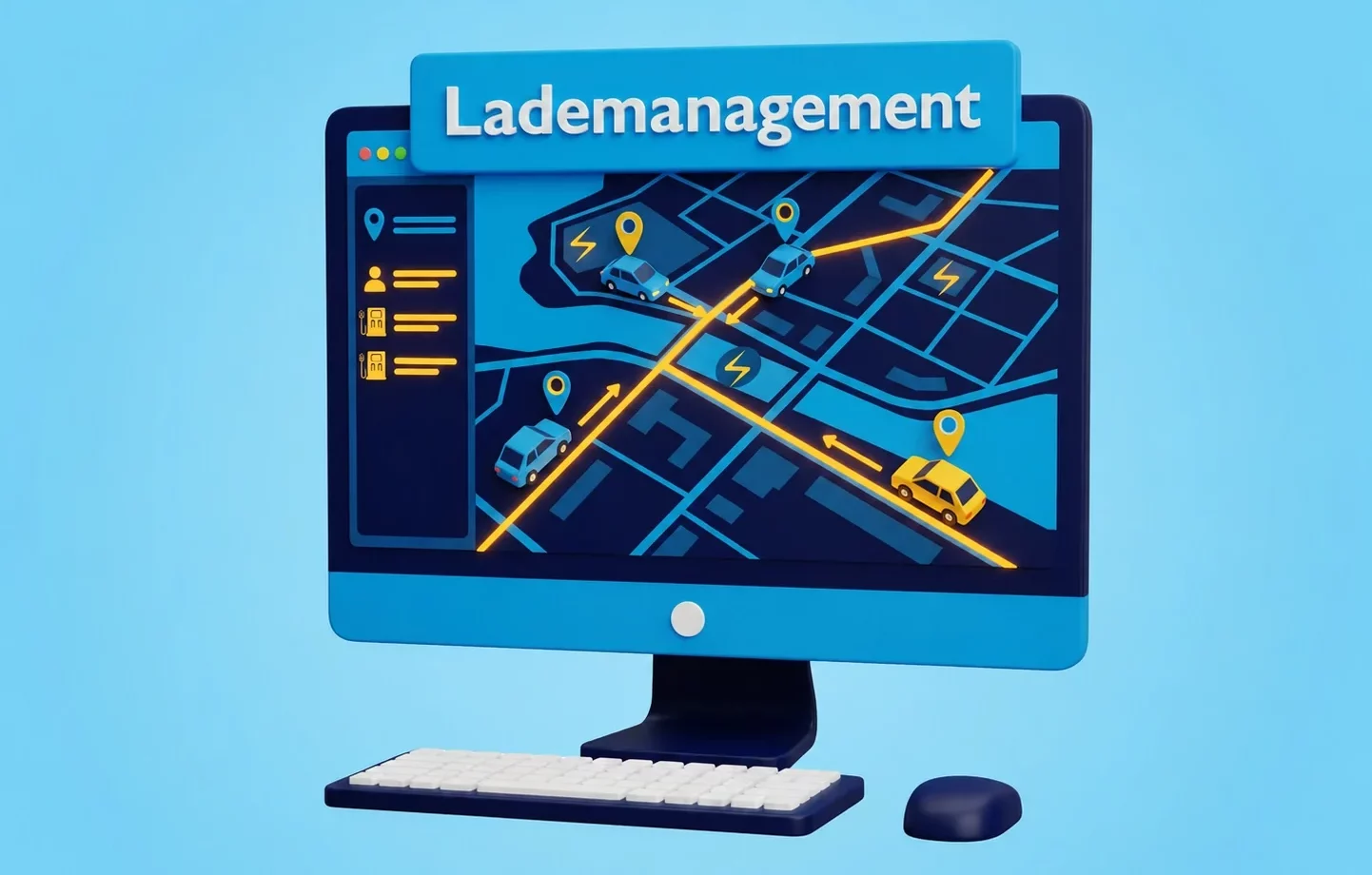
A real-time dashboard lets you see, at a glance, the state of charge (SoC) and remaining range for every vehicle. Here’s what that changes in practice:

Immediate benefits:
- Full visibility: no more guessing or making multiple calls. You know exactly which vehicle is ready to go and which one needs attention.
- Proactive alerts: receive automatic notifications for vehicles with critically low battery levels.
- Charging history: analyze usage trends to anticipate future needs.
With this visibility, charging management becomes proactive rather than reactive.
Data-driven charging strategies
1. Smart charging at the depot
The depot is the heart of your logistics operations, so optimizing on-site charging is a priority.
- Prioritize vehicles: using the SoC overview, identify which vehicles need charging urgently for the next day’s routes. A vehicle at 30% assigned to a 200 km route comes before one at 60% assigned to a 100 km route.
- Cut costs: electricity rates vary by time of day. By scheduling charges during off-peak hours (usually at night), you significantly reduce energy costs. Some platforms even schedule charging automatically based on the best rates.
- Automate processes: with connected charging stations, start or stop charging remotely, receive automatic reports, and integrate this data into your existing fleet management system.
2. Route planning
Optimized charging isn’t just about the depot — it must also be built into route planning.
- Assign routes intelligently: the longest routes should go to the vehicles with the highest charge. A vehicle at 90% is ideal for a 300 km route, while one at 50% is better suited to a local route.
- Plan charging stops: for long trips, plan stops at fast-charging stations based on actual needs. Some platforms automatically calculate the best charging points based on the route and remaining range.
- Prepare for the unexpected: in the event of a detour or delay, the driver gets real-time alerts about nearby available charging stations, along with an estimate of the charging time needed.
3. Managing home charging
More and more companies allow or encourage employees to charge their vehicles at home. This does raise questions of transparency and fairness.
- Calculate reimbursements: use the platform’s data to accurately estimate the cost of charging at home. Some solutions isolate the electricity used specifically for vehicle charging, excluding other household uses.
- Reimburse fairly: set up automatic reimbursement based on actual usage data. This prevents disputes and ensures fair compensation for employees.
- Encourage best practices: educate your teams on charging during off-peak hours to cut costs, and provide tools to make reporting easier (mobile apps, photos of meters, etc.).
Company charging stations: are they essential?
Charging stations at work aren’t always required, but they do give you greater control over fleet management. Here’s what you need to know to make the right choice.
The available options
- Purchase: a significant upfront investment, but it can pay off in the long run — especially if your fleet size is stable and you have the space. Purchased stations amortize over several years and offer great configuration flexibility.
- Rental: ideal for growing fleets, or for companies that don’t want to tie up budget. Renting keeps your stations technologically up to date, with maintenance included.
Why choose “smart” charging stations?
Connected — or “smart” — charging stations are a major asset for managing your fleet:
- Communication with management platforms: they transmit charging data (duration, cost, energy consumed) in real time, enabling seamless integration with your existing tools.
- Cost optimization: some stations schedule charging based on hourly rates, or even cap charging power to avoid costly consumption spikes.
- Proactive maintenance: connected stations send alerts in the event of a failure or malfunction, reducing downtime.
- Better user experience: drivers can start a charge from a mobile app, track its progress, and even reserve a station in advance.
What if installing charging stations isn’t possible?
If your company can’t install charging stations (lack of space, electrical constraints, etc.), alternative solutions exist:
- Partnerships with public networks: negotiate preferential rates with charging-station operators for your drivers.
- Home charging: as mentioned above, encourage and facilitate home charging with tracking and reimbursement tools.
- Mobile charging stations: some companies use mobile stations or temporary charging solutions for depots or one-off events.
Data: the key to stress-free charging
Effective charging management doesn’t rely on chance, but on reliable, centralized information available in real time. Battery level is the most critical data point for a successful transition to electric vehicles. Without it, you’re flying blind — with all the risks that entails: delays, extra costs, and unhappy teams.
The key steps to success:
- Centralize data. Use a dashboard to track the state of charge (SoC) and range of each vehicle.
- Optimize charging. Prioritize vehicles, take advantage of off-peak hours, and build charging into route planning.
- Choose the right charging stations. Opt for connected solutions tailored to your needs.
- Engage your employees. Educate them on best practices and make home charging easier.
Don’t let uncertainty hold your fleet back. Equip yourself with the tools to monitor and manage charging, and turn this challenge into an opportunity for better performance, cost savings, and peace of mind for your teams.
Ready to manage your electric fleet’s charging stress-free? See how CarFleet centralizes the state of charge of every vehicle.


